


Who Treats Rib and Chest Wall Problems
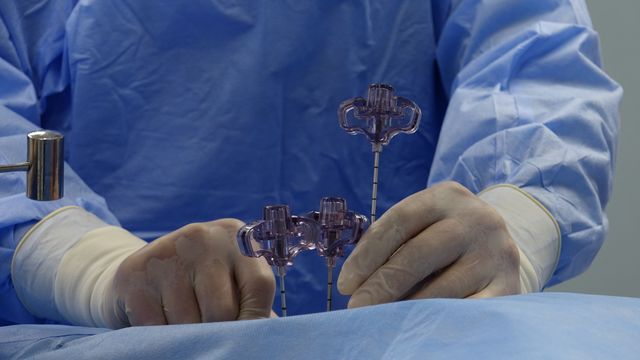
Who Treats Rib and Chest Wall Problems? The Thoracic Surgeon's Role Explained
Pain in the ribs or chest wall can follow a fall, sports injury, severe coughing, surgery, or a road traffic accident. Some problems settle with time, pain relief, and sensible activity changes, while others need specialist assessment because they affect breathing, chest stability, or the organs beneath the ribs. Knowing which clinician to see can make the route to appropriate care clearer.
A thoracic surgeon is a doctor who specialises in conditions affecting the chest, including the lungs, pleura, oesophagus, mediastinum, and chest wall. Their work is not limited to cancer surgery. They may also assess complex rib fractures, painful non-healing injuries, chest wall deformities, infections, and growths involving bone or soft tissue.
When Rib Pain Needs More Than Routine Care
Many rib injuries are managed without surgery, particularly when a single rib is bruised or fractured without displacement. The immediate priorities are controlling pain well enough to allow normal breathing, staying mobile where possible, and watching for signs of complications.
Rib pain can make people take shallow breaths because deep inhalation hurts. This may prevent the lower areas of the lungs from fully expanding and can allow mucus to build up. In some people, especially older adults or those with pre-existing lung disease, this raises the risk of a chest infection. Regular deep breathing and coughing, when advised by a clinician, help protect lung function during recovery.
A GP, urgent treatment centre, emergency department clinician, physiotherapist, or trauma team may be involved early on. The right starting point depends on how the injury occurred and the severity of symptoms. Sudden chest pain after a significant impact, breathlessness, coughing up blood, or visible chest deformity requires prompt medical attention rather than self-management.
For straightforward injuries, measures include pain relief, ice, and gentle movement. Referral to a thoracic surgeon becomes more relevant when symptoms persist, fractures are badly displaced, the chest wall is unstable, or there is concern about a structural problem that will not heal normally.
For information about specialist assessment of rib injuries, visit https://ribinjuryspecialist.co.uk/.
What a Thoracic Surgeon Assesses in the Chest Wall
The chest wall is more than a row of ribs. It includes the sternum, or breastbone, cartilage, muscles, nerves, connective tissue, and the upper part of the spine where the ribs attach. Together, these structures protect the heart and lungs while allowing the chest to expand and contract with every breath. A problem in one area can affect movement, posture, pain, and breathing mechanics.
Thoracic surgeons assess both injuries and non-traumatic conditions. They may see patients with multiple rib fractures, a flail chest, sternal fractures, non-union of a broken rib, chest wall tumours, chronic infection, or defects left after previous surgery. A non-union occurs when broken bone does not join together as expected, which can leave ongoing pain or an uncomfortable clicking sensation during movement.
The consultation usually begins with the history of the problem. The surgeon will ask about the injury or symptoms, the pattern of pain, breathing limitations, work and activity demands, and relevant conditions such as osteoporosis or lung disease. Physical examination can identify tenderness, instability, swelling, muscle weakness, asymmetry, or a lump that needs further investigation.
Imaging helps the team understand the anatomy beneath the surface. A chest X-ray may identify some fractures or lung complications, while a CT scan gives much more detailed views of bones and surrounding tissues. CT imaging can show how far rib fragments have moved, whether several fractures line up in an unstable area, and whether there is damage requiring coordinated care from trauma, respiratory, orthopaedic, or pain specialists.
Recognising Complex Rib Fractures and Chest Instability
A fractured rib does not automatically mean surgery is needed. Most ribs heal without an operation, and treatment focuses on pain control, breathing exercises, and a gradual return to activity. The situation changes when fractures cause mechanical instability, meaning part of the chest wall no longer moves as a stable unit during breathing.
Flail chest is a serious example. It occurs when several neighbouring ribs are broken in more than one place, creating a segment that can move differently from the rest of the chest. This abnormal movement is sometimes described as paradoxical, because the loose segment may pull inward while the rest of the chest expands. The injury is often associated with substantial force and may occur alongside lung bruising.
Displaced fractures can also cause difficulty even without flail chest. Bone ends that overlap or point inward may produce persistent pain, limit the ability to take deep breaths, or contribute to poor healing. Thoracic surgeons consider the whole clinical picture rather than relying on a scan alone. A person’s respiratory status, pain level, mobility, other injuries, and response to non-surgical treatment all matter.
Complex trauma often requires a multidisciplinary approach. Emergency clinicians address immediate threats such as bleeding or a collapsed lung. Anaesthetists and pain teams may provide regional nerve blocks, which numb pain signals from the chest wall. Physiotherapists support breathing and mobility, while thoracic surgeons decide if stabilising the ribs or treating another chest wall injury is likely to improve recovery.
How Surgical Stabilisation and Reconstruction Work
Surgical stabilisation of rib fractures involves realigning selected broken ribs and securing them with specially designed plates and screws. The aim is not to plate every fracture. Instead, the operation focuses on fractures contributing to instability, deformity, severe pain, or impaired breathing. By restoring a firmer chest wall, surgery may make breathing and movement more manageable for appropriately selected patients.
The operation is performed under general anaesthesia. Surgeons make carefully placed incisions to reach the affected ribs, while protecting nearby muscles, nerves, blood vessels, and the lung lining. In some cases, a thoracoscope, a small camera inserted into the chest, may be used to inspect the inside of the chest or assist with treatment of related injuries.
Chest wall reconstruction is broader than rib fixation after trauma. When a tumour, infection, previous radiation treatment, or major injury has left a gap in the chest wall, a surgeon may need to remove damaged tissue and rebuild the area. Reconstruction can involve rigid materials, mesh, muscle flaps, or a combination of techniques, selected to maintain protection for the organs and preserve chest movement.
Recovery varies with the original condition and the scale of surgery. Patients are encouraged to manage pain effectively, practise breathing exercises, and increase activity in line with clinical advice. Follow-up appointments monitor wound healing, respiratory progress, movement, and any continuing symptoms. The surgeon also works with the wider team to identify complications early, including infection, fluid around the lung, or hardware-related problems.
Persistent Symptoms and Non-Traumatic Chest Wall Conditions
Not all chest wall problems begin with a dramatic injury. Repeated strain, heavy coughing, certain sports, or less obvious impacts can irritate muscles and cartilage around the ribs. Costochondritis, for example, is inflammation near the cartilage connecting ribs to the breastbone. It can be painful but does not usually involve a broken bone, and assessment is needed to distinguish it from heart, lung, or digestive causes of chest pain.
Persistent pain after a rib fracture deserves review, especially if it remains localised and sharp months after the expected healing period. Possible explanations include delayed union, non-union, nerve irritation, an unrecognised displaced fracture, or pain from surrounding muscles and joints. A thoracic surgeon may assess whether the rib itself is the source, while recognising that surgery is only one of several possible treatments.
Chest wall lumps, unexplained swelling, drainage from a previous surgical scar, or recurring infections also require careful assessment. A mass can arise from bone, cartilage, muscle, skin, or tissue deeper in the chest. Imaging and, where appropriate, a biopsy help establish the cause before a treatment plan is made. Thoracic surgeons often collaborate with radiologists, oncologists, plastic surgeons, and infectious disease specialists in these cases.
Chest wall deformities may be referred to thoracic surgery as well. Pectus excavatum, often called a sunken chest, and pectus carinatum, where the breastbone projects forward, can affect appearance and occasionally exercise tolerance or confidence. Assessment considers symptoms, chest shape, heart and lung tests when indicated, and the likely benefit of observation, bracing, physiotherapy, or surgery.
Choosing the Right Route to Specialist Care
A person with new chest pain should not assume it is a rib problem. Heart and lung conditions can produce similar symptoms, and urgent symptoms need emergency assessment. Seek immediate help for severe or worsening breathlessness, pressure-like chest pain, fainting, blue lips, confusion, coughing blood, or pain following major trauma. These signs can indicate conditions that require rapid treatment.
For a known rib injury that is not improving, the first step may be a GP or clinician who can review symptoms and arrange imaging or referral. People who have persistent pain, a sensation of movement or clicking, reduced ability to breathe deeply, or difficulty returning to essential daily activities may benefit from a specialist opinion. Clear details about the original injury, prior scans, medications, and treatment tried can make the appointment more productive.
Thoracic surgery is therefore part of a wider pathway, not a default destination for every sore rib. The specialty becomes particularly valuable when the chest wall’s structure, function, or healing process is in doubt. A careful assessment can identify patients who need an operation, those who need targeted non-surgical treatment, and those who can recover safely with reassurance and appropriate follow-up.
A Clear Plan Supports Safer Recovery
Rib and chest wall problems range from short-lived bruising to injuries and conditions requiring complex reconstruction. Thoracic surgeons bring focused expertise in the chest’s bones, soft tissues, lungs, and breathing mechanics, helping determine when specialist treatment is needed. Prompt assessment of red-flag symptoms, effective pain control, good breathing care, and referral for persistent or structurally significant problems give patients the best foundation for recovery.